
Make Your Mark When Engineering Brand Landmarks
01 Apr 26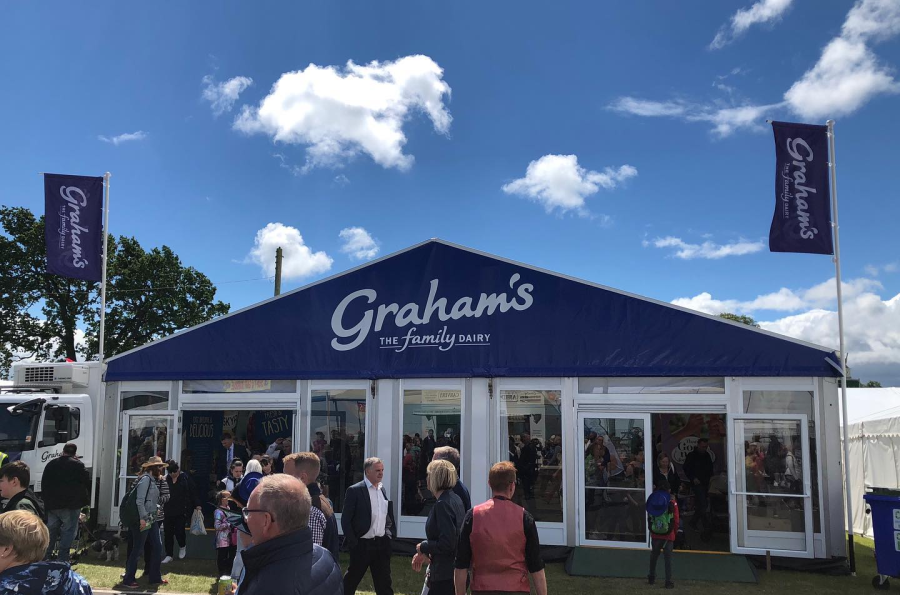
In architectural design, the envelope of a temporary or semi-permanent structure is often its most essential component. For high-profile commissions ranging from global sporting hospitality to modular exhibition hubs, the distinction between a functional enclosure and a brand landmark lies in the integration of the graphic skin with the structural frame.
At J&J Carter, we move past the concept of wrapping a building. We treat printed PVC as a high-performance architectural membrane, engineered to deliver both structural integrity and precise brand fidelity.
Defining the Envelope: Membrane vs. Wrap
The term building wrap typically refers to non-structural mesh or vinyl applied to scaffolding. In contrast, architectural fabric branding involves a tensioned membrane that acts as the primary weather skin of the building.
When designing a branded structure, the print is not an aesthetic afterthought. It is factored into the engineered design. A properly tensioned membrane eliminates vibration, ensuring the graphic remains planar and legible under varying wind loads. This structural approach is what allows a temporary installation to achieve the visual weight of a permanent landmark.
PVC Membrane Specifications
The longevity and ROI of a branded landmark and the tensile membrane graphics depend on the chemical composition of the substrate. For clients like DHL or Emirates, colour accuracy and surface cleanliness are non-negotiable technical requirements.
Traditional wide-format printing can suffer from pigment degradation under high UV exposure. J&J Carter utilises industrial-grade, UV-stable inks that bond with the PVC fibres. This ensures that brand-critical Pantone (such as the DHL yellow) maintains their saturation throughout multi-month deployments in high-exposure environments.
PVDF and Acrylic Lacquers
Maintenance of the building envelope is handled at the molecular level. On our PVC and Acrylic page, we specify the use of PVDF (Polyvinylidene Fluoride) finishes. These lacquers create a high-density, low-friction surface.
- Self-Cleaning Properties: Rainwater effectively removes particulate matter and atmospheric pollutants.
- Plasticiser Migration Resistance: The lacquer prevents internal oils from reaching the surface, which stops the fabric from becoming sticky or attracting dirt over time.
- Fire Compliance: Our membranes can meet international flame retardancy standards (e.g., BS 7837, DIN 4102 B1) without compromising the translucency or print quality.
Light Control and Immersive Geometry
Architects can manipulate the landmark effect by selecting the specific light-transmission properties of the PVC.
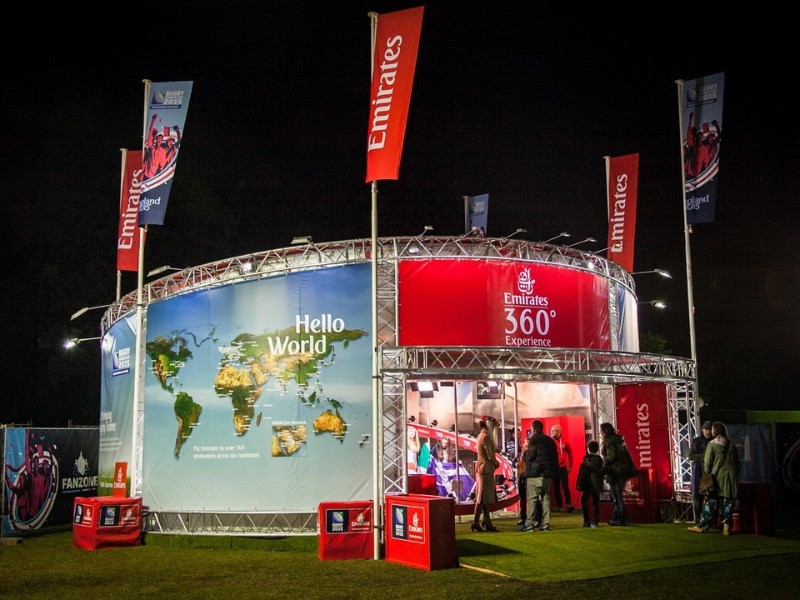
- Block out Membranes: Utilising an internal black layer, these membranes prevent the ghosting of the silhouette in the internal frame showing through the external graphics. This was essential for the Emirates Rugby World Cup 360 Experience, where the interior environment required total light control for immersive digital projections.
- Translucent Membranes: These allow the structure to act as a light box. At night, internal lighting turns the printed graphic into a glowing beacon, providing 24-hour visibility.
- Interior/Exterior Duplex Printing: We can print different graphics on the interior and exterior faces of the same membrane, allowing the structural skin to serve two distinct brand narratives simultaneously.
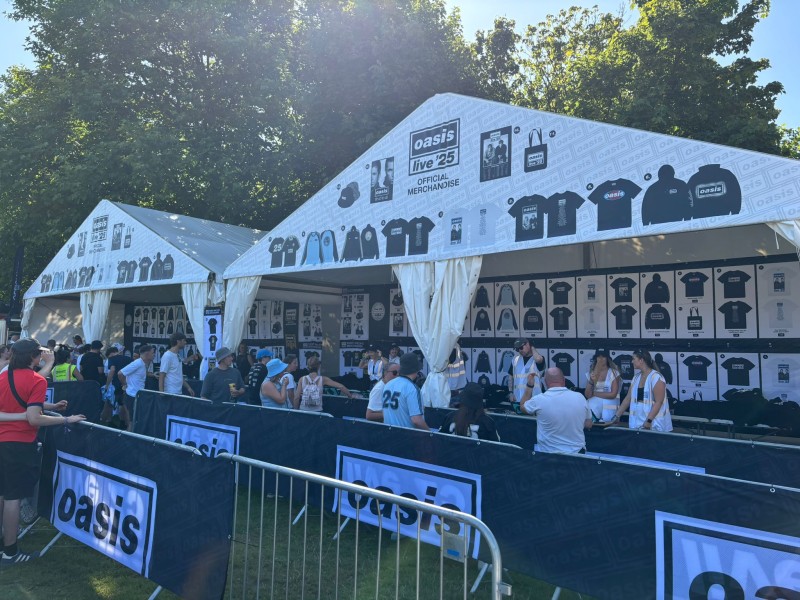
Architectural Versatility: Engineering the "Wow" Factor
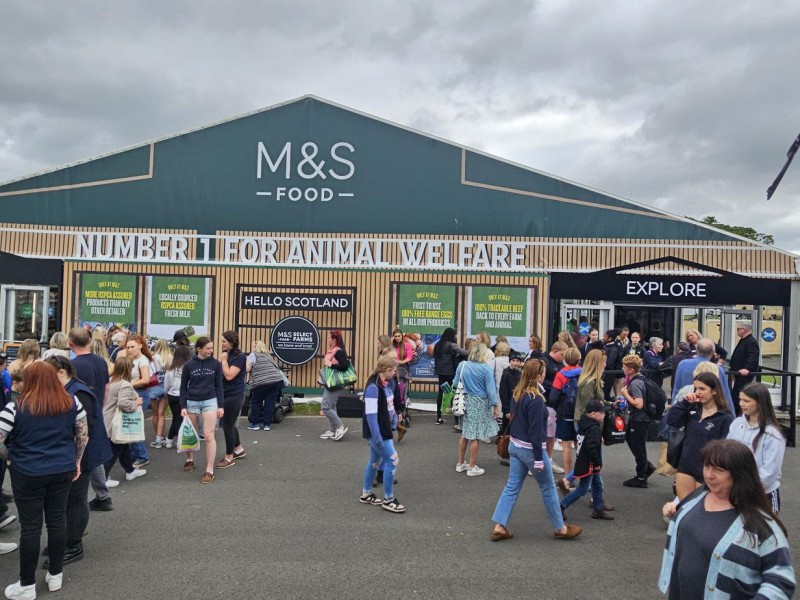
With architectural fabric branding, we highlight the technical durability of the fabric. The true value, however, for a brand lies in the creative freedom provided by engineered tensile membranes. Unlike standard modular marquees that are restricted to box geometries, J&J Carter’s bespoke approach allows for the creation of 3D landmarks that command attention through form alone.
- Dynamic Geometries: Printed PVC can be tensioned over complex curves, cones and bespoke frames to create a silhouette that stands out in a crowded event landscape.
- Day-to-Night Presence: By selecting specific membrane properties, a structure can transform its identity. A translucent membrane allows the entire landmark to be internally illuminated, turning the brand into a glowing beacon at night, while blackout fabrics ensure total light control for internal digital activations.
- 360-Degree Immersive Environments: Branding is not limited to the exterior. For the Emirates Rugby World Cup 360 Experience, the interior was as much a part of the brand journey as the exterior, utilising the membrane as an all-encompassing canvas to create a fully immersive hospitality environment.
- Scalable Impact: Whether it is a high-detail logistics hub like the DHL Rugby World Cup structure or a premium VIP suite, the ability to scale high-definition graphics across massive surface areas ensures the brand remains a landmark from any distance.
Sustainability and Circularity
Modern architectural specifications prioritise the lifecycle of the material. A J&J Carter printed PVC skin is not a single-use asset.
- Reusability: The high tensile strength of our base fabrics allows membranes to be tensioned, struck, and re-tensioned across different locations without losing their shape or creep.
- Longevity: Architectural-grade PVC has a design life of 10–15 years. This allows brands to amortise the cost and carbon footprint of their landmark over a decade of events.
- Recyclability: At the end of its life, PVC can be processed into second-life materials, such as floor matting or industrial textiles, reducing the volume of event waste sent to landfill.
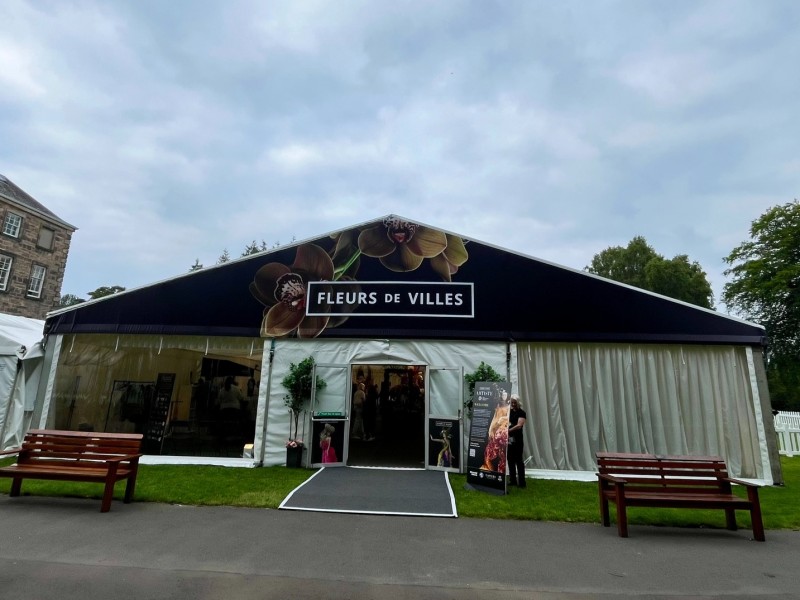
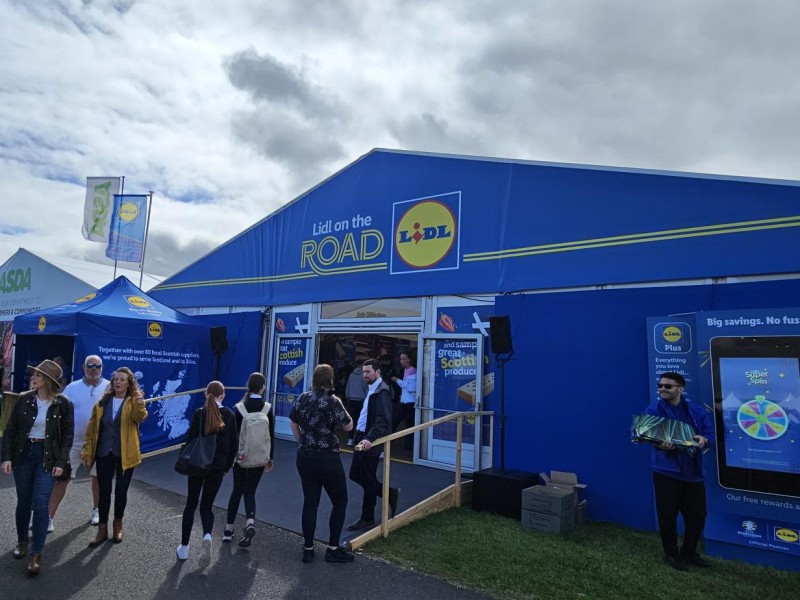
Architectural Membrane Branding Specifications
| Technical Parameter | Specification / Requirement | Structural Benefit |
| Base Fabric | High-tenacity Polyester (Type I - V) | Ensures dimensional stability under high-tension loads. |
| Coating | PVC with PVDF or Acrylic Lacquer | Low surface energy for self-cleaning; prevents plasticiser migration. |
| Print Method | Industrial UV-Stable Inkjet / Dye-Sublimation | High colour fidelity (Delta E < 2.0) across 100m+ spans. |
| Light Transmission | Block out (0%) to Translucent (up to 20%) | Controls internal solar gain and external night-glow effects. |
| Fire Classification | BS 7837 / DIN 4102 B1 / EN 13501-1 | Meets rigorous global safety standards for public assembly. |
| Seam Method | High-Frequency (HF) Welding | Creating a molecular bond stronger than the fabric itself. |
Technical Planning Checklist
For architects and project managers planning a branded landmark or commercial businesses that need a branded marquee, we recommend focusing on three technical pillars:
- Sightline Analysis: Determine if roof-level branding is required for drone or high-altitude visibility.
- Atmospheric Conditions: Select PVDF coatings if the structure is in high-pollution urban areas or coastal regions with salt-air exposure.
- Tensioning Systems: Ensure the frame design allows for Keder or Lacing systems that keep the printed membrane taut and professional.
A structure defines a space, but a brand landmark defines an experience. By combining rigorous structural engineering with advanced material science, J&J Carter provides the tools to turn functional enclosures into iconic assets. Contact our sales team today to discuss bespoke measurements and material options for your next project.
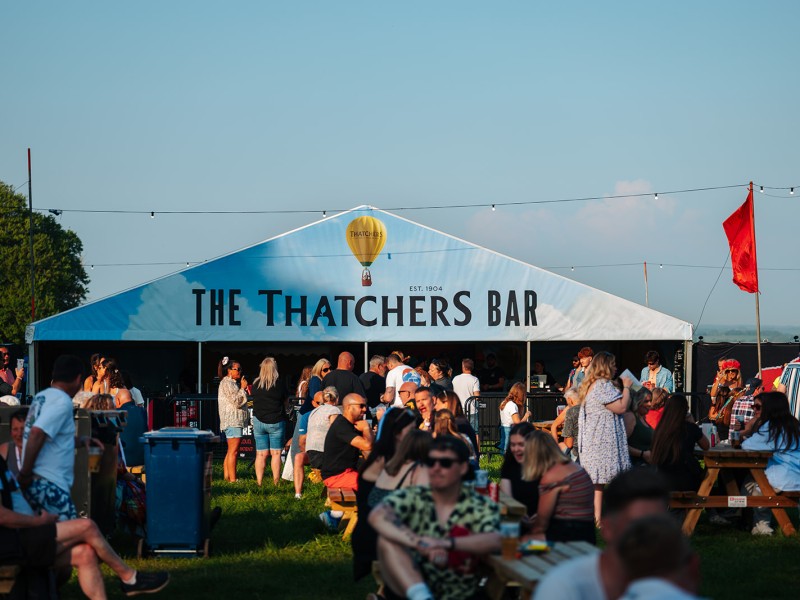
Frequently Asked Questions: Branded Marquees & Structural Branding
1. How much does a custom-branded marquee cost?
The cost of a branded marquee varies significantly based on the scale of the structure, the type of PVC membrane selected (such as block out or translucent), and the complexity of the engineering. Unlike off-the-shelf gazebos, J&J Carter provides bespoke, wind-loaded structures designed for high-profile landmarks. For an accurate quote that includes CAD design and technical installation, it is best to consult with our engineering team directly.
2. Can I get a "cheap" branded marquee?
While budget-friendly temporary pop-up tents exist, they often use lightweight polyester, which lacks the UV stability and structural integrity required for a brand landmark. J&J Carter focuses on architectural-grade PVC with high-performance lacquers. While the initial investment is higher, the longevity is much greater and the ability to reuse the membrane across multiple global events provides a much higher ROI than cheap alternatives that degrade after a single use.
3.Will the printed branding fade over time?
No. We use industrial-grade, UV-stable inks specifically designed to bond with PVC fibres. This process ensures that brand-critical colours, such as those used in the DHL Rugby World Cup structures, remain vibrant even under intense solar exposure. Additionally, our protective lacquers prevent dirt from embedding into the print, keeping the landmark crisp and legible.
4. Are printed PVC structures safe and fire-retardant?
Safety is a core pillar of our engineering. Our J&J Carter printed membranes can meet rigorous international fire safety standards, including BS 7837 and DIN 4102 B1. Unlike standard wraps, our branded structures are fully wind-loaded and engineered to remain structurally sound in extreme weather conditions, making them suitable for public-facing landmarks and high-traffic event zones.
5. What is the difference between a building wrap and architectural branding?
A building wrap is typically a non-structural mesh applied over scaffolding to hide construction work. Architectural branding, as seen in our Emirates 360 Experience, involves using the printed PVC as the actual weather skin and structural envelope of the building. This ensures a seamless, high-end finish that complements the geometry of the structure rather than just covering it.